
Anyone who has spent more than a week in Fort Lauderdale learns a simple truth: the mosquitoes in Broward are built differently. They show up in the middle of winter. They float out of a planter you haven’t touched in months. They somehow materialize into existence after a single afternoon thunderstorm.
People who move here from elsewhere sometimes think something is “wrong” with their yard or their neighborhood. The reality is that Broward’s geography, weather, and ecosystems stack every card in the mosquitoes’ favor. Once you see how each layer fits together, the whole picture gets clearer (and weirder) in a way that makes you appreciate just how relentless these insects can be in this part of the Sunshine State. (And why installing an automatic mosquito misting system in Fort Lauderdale is one of the only ways to effectively control them.)
Reasons Effective Mosquito Control in Fort Lauderdale is So Difficult
The Climate in South Florida Never Really Lets Up
A good chunk of the country has a built-in mosquito break. Winter forces most pests to slow down. Broward doesn’t work like that.
NOAA’s normals for the Fort Lauderdale–Hollywood station put the annual mean temperature around 77°F. That’s springtime weather elsewhere. Add nearly 61 inches of rain a year, with long, heavy stretches from late spring into fall, and you end up with an environment that feeds mosquito development most of the year. Warm water, warm air, consistent humidity… it’s basically a custom incubator.
There are only brief dips where the thermometer backs off enough to slow them down. Even then, slow in Broward still beats fast in a lot of other places.
Flat Land + Heavy Rain = Standing Water Everywhere
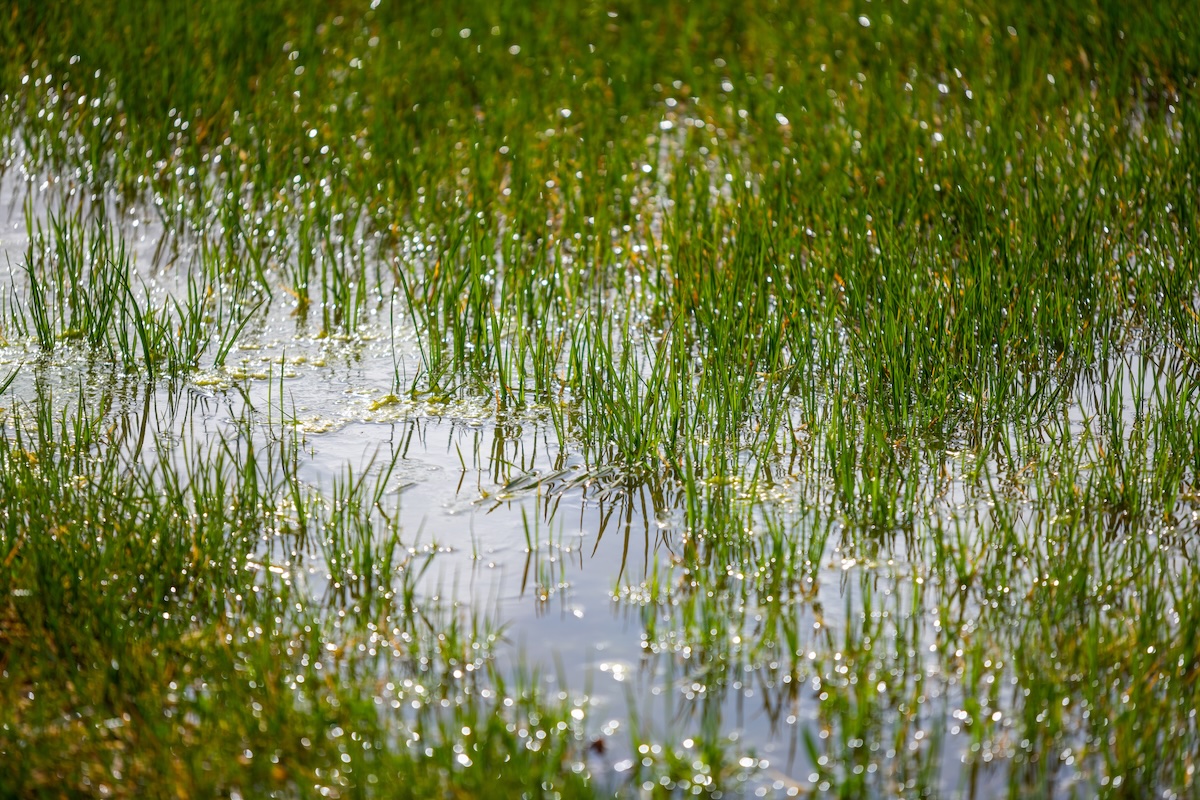
Broward isn’t just warm, it’s also extremely flat. Flat in a way that doesn’t make intuitive sense until you realize water has almost nowhere to go on its own. Broward Water Management talks about this all the time: rain doesn’t drain unless you give it a path. So the county relies on canals, lakes, swales, stormwater ponds, and engineered drainage networks just to keep things moving.
Those systems prevent flooding. They also create thousands of edges and pockets where water lingers long enough for mosquitoes to breed. Every shoreline, culvert mouth, backyard depression, and puddled swale is an opportunity.
Even when the water looks clean and clear, the margins are what matter, shaded edges, plant roots, sheltered corners. Perfect nurseries.
When you zoom out, Broward looks like a giant sponge: water held in place until the next chance to move it.
Urban Broward Is a Paradise for Container Breeders
Aedes mosquitoes love human environments. They exploit every little object that holds a splash of water, bottle caps, birdbaths, gutter elbows, plant saucers, bromeliads, utility buckets, landscaping features. Broward’s official protocols mention these container habitats because they’re impossible to avoid in a county with dense housing, intense landscaping culture, and year-round irrigation.
What makes Aedes especially stubborn is that their eggs don’t die when the container dries out. They stick to the walls, hang around for months, and activate when the next rain or sprinkler cycle wets them. Every storm “resets” the map and creates a fresh generation.
And their timeline is quick. CDC notes around 7–10 days from egg to adult for many Aedes species. UF/IFAS has documented even faster development in peak Florida warmth. Meanwhile, the county’s public spray schedule runs on surveillance, not a weekly household-by-household rotation. This mismatch alone explains why quarterly treatments feel like bailing water with a teaspoon.
So Much of Greater Ft. Lauderdale Is Wetlands, Including the Edges of Neighborhoods
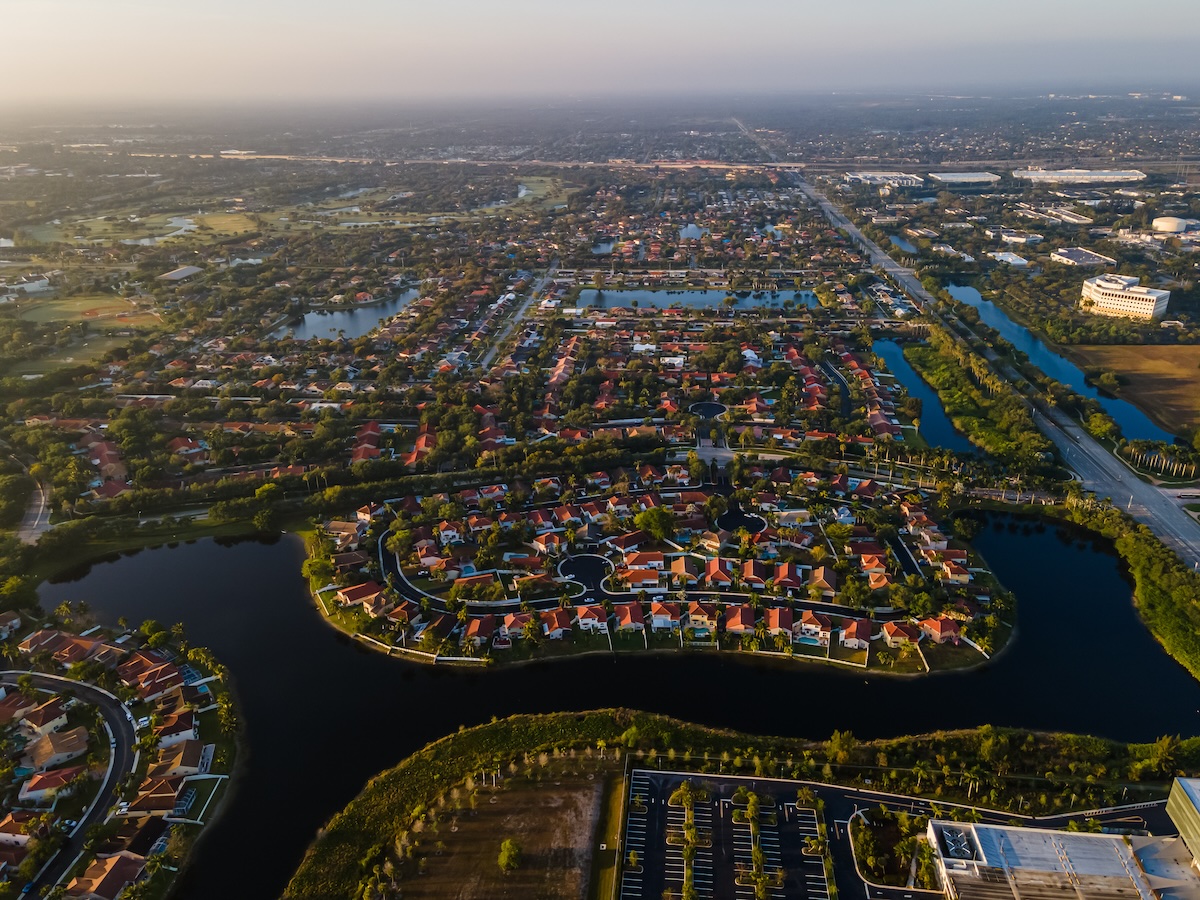
It surprises newcomers that roughly two-thirds of Broward is water conservation lands tied into the Everglades. But even inside developed corridors, the county still holds pockets of freshwater marsh, cypress stands, and coastal mangrove habitat along the Intracoastal and canals.
Those wetlands are alive, in a literal sense. They generate insects constantly. So when a neighborhood sits right next to them, you get continuous reinfestation.
You can try to treat your yard with one-time or even quarterly spraying, but the breeze alone can carry newcomers from a marsh a few streets over. Or from a canal. Or from a mangrove thicket behind a marina.
Broward development and natural habitat are interwoven. That’s beautiful for wildlife. It’s also a conveyor belt for mosquitoes.
Many Types of Sprays Only Target What’s Currently Flying
People often expect mosquito spraying to blanket an area with months-long protection. That’s not how ULV adulticide works.
EPA materials spell it out: ULV is designed to kill flying adults on contact. It’s a moment-in-time reduction, not a boundary shield. CDC echoes this: adulticides and larvicides reduce numbers temporarily but don’t eliminate mosquito populations.
Broward typically schedules their spraying between midnight and 6 a.m., which lines up with many night-active species. But the day-biting Aedes that swarm patios, entryways, and business fronts? A midnight spray doesn’t reach them while they’re active, and they come roaring back as soon as the next egg batch hatches from a planter.
It’s not a flaw in the program, it’s a limitation of the physics.
Water Access Rules Can Limit Treatment Coverage
Broward’s mosquito control FAQ clarifies that the county naturally can’t apply product directly to lakes, canals, and other state-regulated water bodies. And they also avoid treating areas where aquatic vegetation creates ecological sensitivity zones.
In a county carved by canals and lined with ornamental plantings, this means larvae can hide out anywhere the sprayer trucks can’t reach. Private yards, HOA landscaping, fenced-in retention ponds, dense hedges, all of these create real-world boundaries that mosquitoes take full advantage of.
You can clear one block successfully, only to have fresh waves drift in from a hidden breeding pocket across a property line.
No-See-Ums Add Their Own Extra Layer of Chaos
Sometimes the real culprit of all those bites isn’t mosquitoes at all, it’s no-see-ums. UF/IFAS points out that the worst biting midges thrive in coastal South Florida, especially around mangroves and salt marshes. Broward has both along the Intracoastal and canal corridors.
No-see-ums are tiny enough to slip through normal screens, and because their larval habitats hide deep in mud and marsh substrate, broad spraying barely touches them. They simply keep emerging.
Takeaways
So to recap, here in Broward County we have:
- Warm temperatures that rarely break.
- Heavy rain that creates new breeding sites weekly.
- Flat land that drains slowly.
- A county-wide canal network with endless edges.
- Wetlands that border neighborhoods.
- Urban container habitats that never fully go away.
- Aedes mosquitoes with rapid life cycles.
- No-see-ums with coastal breeding grounds.
Some places in Florida get two or three of those factors. Broward stacks nearly all of them.
Quarterly spraying can knock numbers down for a moment. But durable, long-term relief is harder here because the environment constantly recharges itself.
In a sense, Greater Fort Lauderdale doesn’t “have” a mosquito season. It has mosquito cycles, overlapping, fast-moving, and fed by the weather, the terrain, and the water that defines South Florida.
So if you’ve ever felt like the mosquitoes in Ft. Lauderdale don’t play by the same rules you grew up with somewhere else, you’re not imagining it. They’re operating on home-field advantage.
Effective Mosquito Control for South Florida
Take Back Your Outdoor Space with Automatic Mosquito Misting, Fort Lauderdale
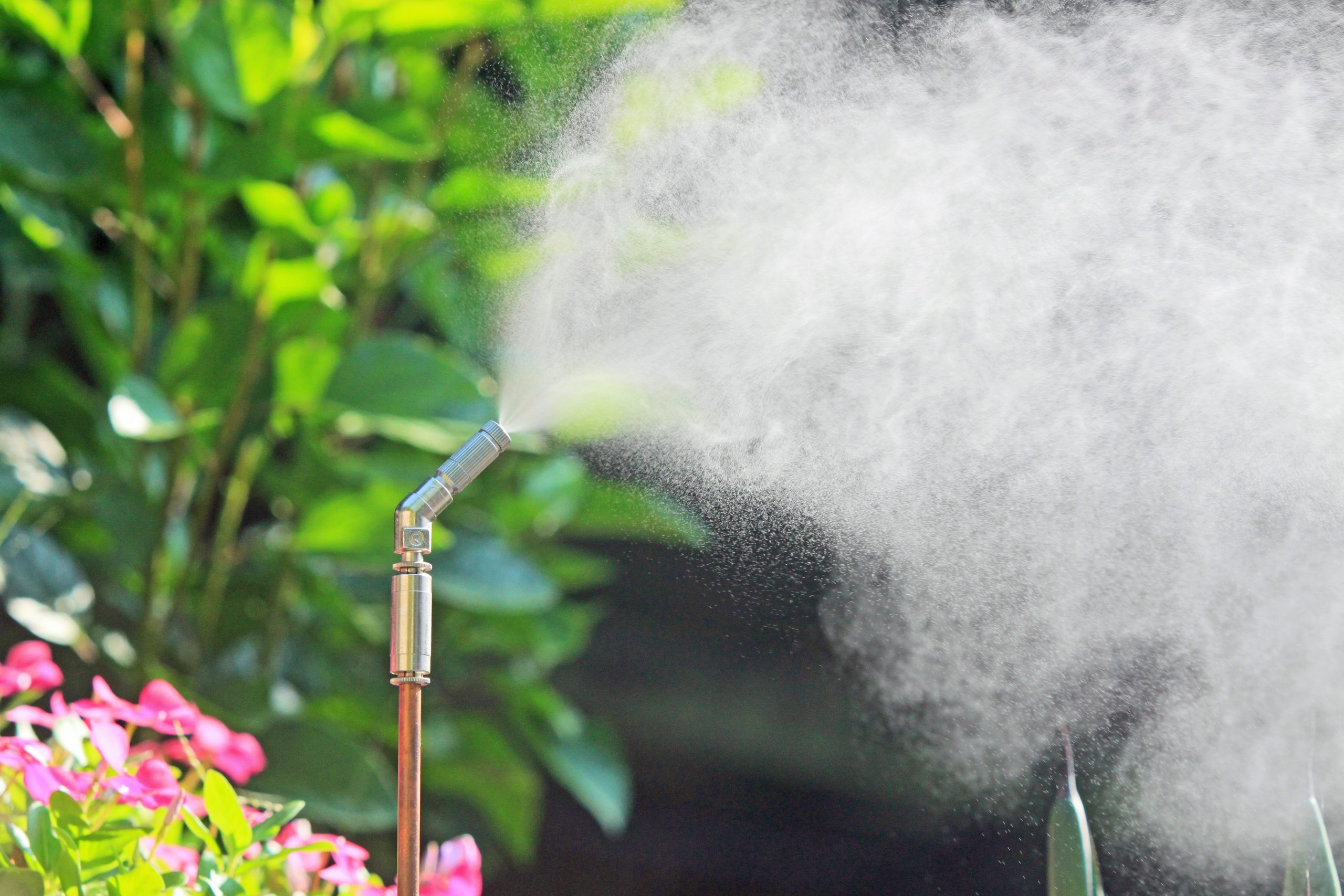
If you live in Broward, you know how it is: perfect weather, great backyard, and 5 minutes later you’re swatting at the air. An automated misting system changes that equation.
It gives you steady, scheduled coverage built for the conditions that properties in Greater Fort Lauderdale face every day: heat, humidity, dense landscaping, salt-air exposure, and the nonstop churn of mosquito and no-see-um pressure.
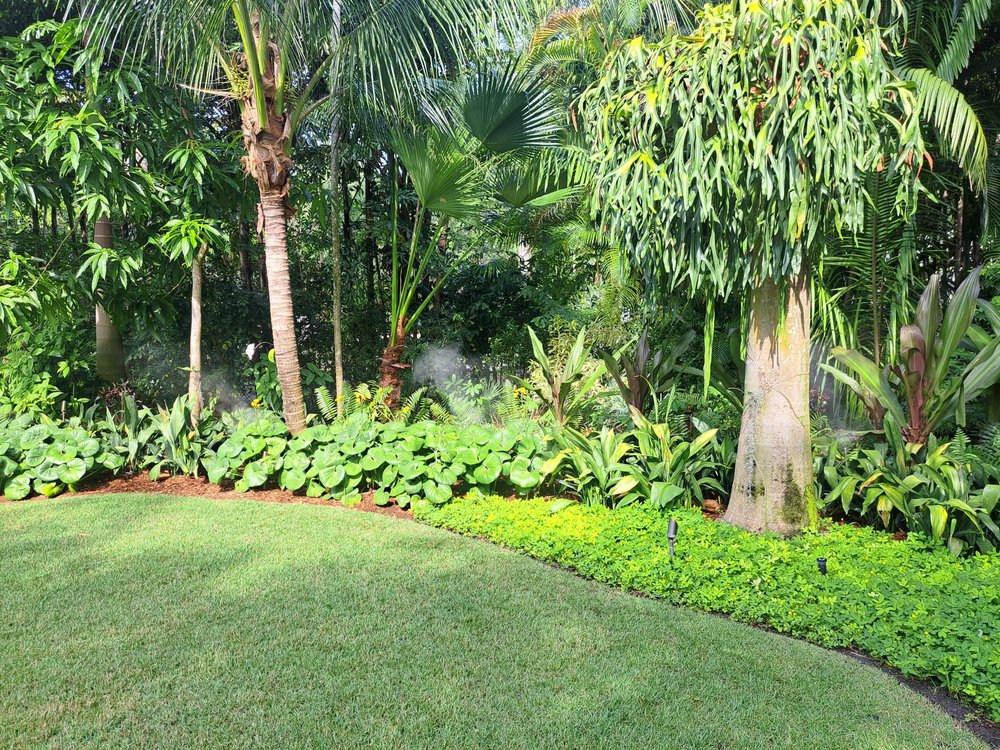
Sniper Mosquito Solutions designs and maintains systems that blend discreetly into your property and handle the work in the background. You get consistent, effective mosquito control designed for South Florida—without babysitting sprays or chasing problem spots.
Whether it’s a pool deck in Victoria Park, a patio in Harbor Beach, or a backyard in Wilton Manors, your installation and setup can be customized to how you actually use the space.
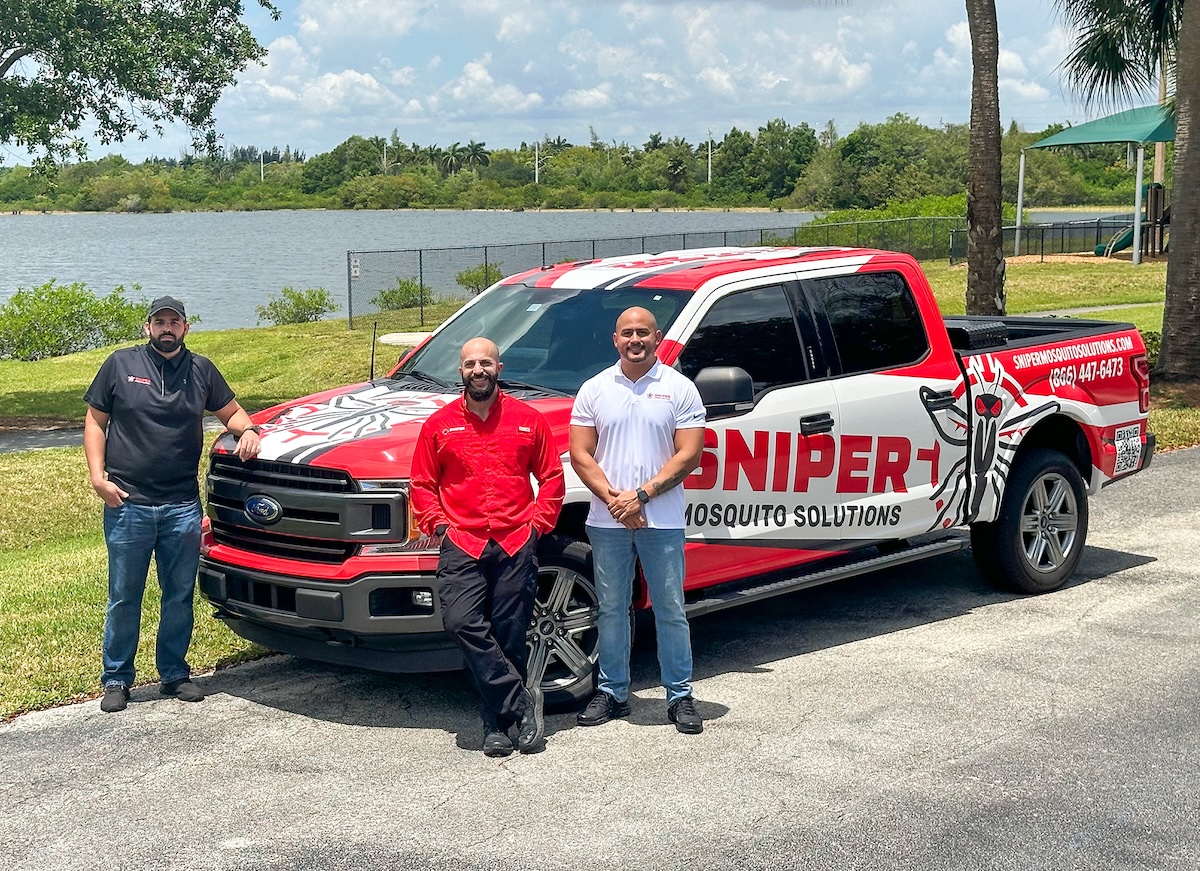
If you’re tired of planning your time outside around the bugs, we can help you build something that works to keep them away year-round. Tell us a little about your property, and we’ll put together a clear plan, pricing, and installation options.
Give us a call at (866) 447-6473, or click here to contact us.