
A mosquito misting system is a fixed outdoor pest-control system that uses a tank, pump, tubing, controller, and strategically placed nozzles to apply a fine mist around selected exterior areas. For South Florida homes and businesses, the purpose is to help reduce mosquito and no-see-um pressure around patios, pool decks, outdoor kitchens, waterfront areas, restaurant seating, HOA amenities, and hospitality spaces. Sniper Mosquito Solutions provides mosquito misting system installation, maintenance, refills, and service takeover for residential and commercial properties that need consistent outdoor mosquito control rather than one-time treatments alone. The system works best when it is designed around the property, maintained on schedule, and paired with basic source reduction such as removing standing water. In South Florida, where heat, humidity, rainfall, canals, coastal exposure, and dense planting keep biting insects active for much of the year, professional design and ongoing service determine long-term performance.
What a Mosquito Misting System Does
A mosquito misting system helps reduce mosquito activity by applying a controlled mist to outdoor areas where mosquitoes rest, travel, and gather near people. The system does not replace property maintenance or standing-water control, but it gives homes and commercial properties a repeatable way to treat high-use outdoor zones.
The basic system includes five main parts:
- Tank: Holds the mosquito-control solution used by the system.
- Pump: Pressurizes the solution so it can move through the tubing.
- Tubing: Carries the solution from the tank to the treatment zones.
- Nozzles: Release a fine mist in targeted areas around the property.
- Controller: Runs the system on scheduled cycles or allows manual activation when needed.
The value of the system comes from correct placement and consistent operation. Nozzles are usually positioned around areas such as fence lines, eaves, planting edges, patios, pool areas, and other exterior zones where mosquito activity affects outdoor use. Poor placement can waste product, miss the areas where mosquitoes rest, or create unnecessary exposure in areas where people, pets, food, or water features are present.
Who This Service Is For
Mosquito misting systems are for property owners and managers who need recurring outdoor mosquito control in areas people use regularly. The service fits both residential and commercial properties, especially where outdoor comfort affects daily living, guest experience, resident satisfaction, or business operations.
- Pool homes and patios: Homeowners who want to use their backyard, pool deck, patio, or outdoor kitchen with less mosquito pressure.
- Waterfront properties: Homes near canals, lakes, marinas, mangroves, or coastal areas where biting insects may return quickly after basic treatments.
- Restaurants and outdoor dining areas: Businesses with patios, terraces, bars, or outdoor seating where guest comfort affects revenue.
- HOAs and community amenities: Boards and property managers responsible for pools, clubhouses, playground edges, walking areas, and shared outdoor spaces.
- Hotels, clubs, and hospitality properties: Operators who need consistent mosquito control around guest-facing outdoor areas.
- Existing system owners: Property owners who already have a misting system and need inspection, refill service, repair, or provider transition.
For properties in markets such as Miami, Broward County, Palm Beach County, and the Florida Keys, a misting system should be designed around how people actually use the property. A small residential patio does not need the same layout as a waterfront estate, restaurant terrace, or multi-zone commercial property.
How the System Is Designed for a Property
A mosquito misting system should not be designed from a generic template. The technician must evaluate where mosquitoes are likely to rest, where people spend time, where tubing can be routed cleanly, and where mist should not be applied.
| Design Factor | Why It Matters | What the Technician Evaluates |
|---|---|---|
| Outdoor-use areas | The system should prioritize the spaces people use most. | Patios, pool decks, outdoor kitchens, seating areas, and walkways. |
| Vegetation and shade | Mosquitoes often rest in shaded, humid, protected areas. | Hedges, planting beds, fence lines, tree cover, and dense yard edges. |
| Nozzle placement | Nozzles must target insect activity without spraying the wrong areas. | Height, angle, spacing, wind exposure, and nearby surfaces. |
| Tank and pump location | The equipment must be accessible for service and protected from damage. | Service access, power availability, appearance, drainage, and distance to treatment zones. |
| Tubing route | The route affects appearance, pressure, durability, and maintenance access. | Fence runs, roof lines, planting beds, structure edges, and concealment options. |
| Wind and coastal exposure | Air movement affects where mist travels and how the system should be aimed. | Waterfront exposure, open yards, canal edges, docks, and coastal breezes. |
| Property boundaries | The system must avoid unnecessary drift toward neighbors or public areas. | Lot lines, shared fences, sidewalks, adjacent patios, and community spaces. |
Design quality affects performance, appearance, and responsible operation. A well-planned system is discreet, serviceable, and focused on the outdoor areas where mosquito control matters most.
Installation, Maintenance, Refills, and Service Takeovers
A mosquito misting system is not a one-time product purchase. It is an outdoor service system that needs correct installation, routine refills, inspection, cleaning, and occasional component replacement to keep working as intended.
Installation
Installation begins with a property evaluation. The technician identifies treatment zones, equipment location, tubing routes, nozzle positions, and controller settings. The goal is to create a system that treats the right areas while limiting visual impact and avoiding unnecessary application to direct-contact surfaces.
Maintenance and Refills
Routine service keeps the system reliable. During maintenance, the technician may refill the tank, check the pump, inspect tubing, clean or replace clogged nozzles, verify pressure, review controller settings, and adjust nozzle direction when yard conditions change.
Existing System Service Takeover
Sniper can also evaluate mosquito misting systems installed by another provider. A service takeover may include inspecting the tank, pump, nozzles, controller, fittings, tubing condition, application pattern, and current refill needs before placing the system on a service schedule.
This full lifecycle approach is why installation and maintenance should be treated together. A system that was installed well can still underperform if the tank runs empty, nozzles clog, tubing leaks, the controller is misprogrammed, or the property changes after new planting, construction, or outdoor furniture placement.
South Florida Conditions That Affect Mosquito Control
South Florida properties need mosquito control strategies that account for heat, humidity, rainfall, standing water, canals, waterfront exposure, dense planting, and coastal biting insects. These conditions can keep mosquito pressure active and can cause mosquitoes to return quickly after basic one-time spraying.
| Local Condition | Effect on Mosquito Pressure | System Response |
|---|---|---|
| Frequent rainfall | Water can collect in containers, drains, planters, and low areas. | Pair misting with standing-water inspection and removal. |
| Heat and humidity | Warm, damp conditions support repeated mosquito activity. | Use scheduled service and consistent system monitoring. |
| Pool decks and patios | People gather in areas where bites are noticed immediately. | Prioritize high-use outdoor zones in the nozzle layout. |
| Canals and waterfront areas | Insects can move in from nearby water and vegetation. | Reinforce property edges and seating areas with targeted coverage. |
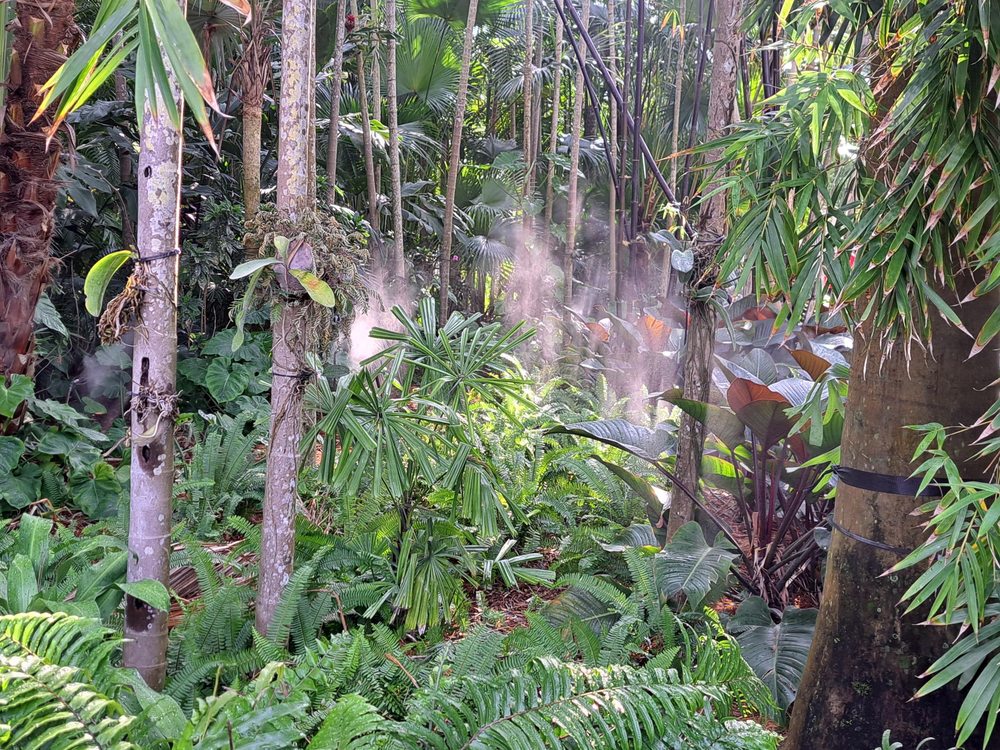
| Dense planting | Shaded vegetation gives mosquitoes protected resting areas. | Place nozzles near plant edges without over-applying to open space. |
| Coastal no-see-ums | Tiny biting insects may affect waterfront and coastal properties. | Evaluate wind, marsh proximity, damp zones, and human-use areas. |
Sniper serves properties across South Florida mosquito misting service areas, including residential and commercial properties in Miami-Dade, Broward, Palm Beach, and Monroe counties. The design should reflect the local site conditions rather than relying on a universal layout.
Safety, Product Use, and Responsible Operation
A mosquito misting system should be installed, programmed, and maintained with exposure control in mind. Responsible operation means using products according to label directions, placing nozzles correctly, avoiding unnecessary application, and keeping the system in good working order.
Important safety and operating considerations include:
- Label directions: Products must be used only as directed for the intended application.
- Nozzle direction: Mist should not be aimed at eating surfaces, pet bowls, toys, pools, ponds, or other areas where application is not appropriate.
- Timing: Programmed cycles should account for when people, pets, guests, staff, and outdoor activities are present.
- System condition: Leaks, clogs, pressure issues, and worn parts should be corrected before they affect performance or exposure control.
- Source reduction: Removing standing water remains part of mosquito management, even with a misting system installed.
No pest-control product or system should be described as completely risk-free. The goal is professional, label-compliant operation that helps reduce mosquito pressure while limiting unnecessary application and keeping the system properly maintained.

Cost and Estimate Factors
The cost of a mosquito misting system depends on the property, system size, equipment requirements, and maintenance needs. A professional estimate should be based on the actual outdoor areas being treated, not on a flat assumption about property type.
Common pricing factors include:
- Property size: Larger properties often require more tubing, more nozzles, and more treatment zones.
- Number of nozzles: Nozzle count affects equipment needs, installation time, and coverage.
- Tank and pump location: Equipment placement affects routing, access, and installation complexity.
- Tubing route: Longer or more concealed routes can require more labor and materials.
- Treatment zones: Multi-zone properties may need more planning and controller configuration.
- Existing system condition: A system takeover may require inspection, repair, nozzle replacement, or reprogramming.
- Maintenance and refill schedule: Ongoing service needs depend on usage, system size, and local mosquito pressure.
Questions about cost, operation, service intervals, and warranty coverage can be supported by the company’s common mosquito misting system questions. The most accurate pricing path is a property-specific evaluation because layout and service requirements vary widely between a small patio, waterfront home, HOA pool deck, and commercial outdoor dining area.
Related Service Topics
Several related mosquito-control topics deserve separate consideration because each property type has different design requirements, service expectations, and performance risks.
Residential Mosquito Misting Systems
Residential misting systems are designed for backyards, pool decks, patios, outdoor kitchens, side yards, and planted areas where homeowners spend time outside. The layout should reflect how the family uses the property, where mosquitoes rest, and where nozzles can be placed without disrupting the appearance of the home.
Commercial Mosquito Misting Systems
Commercial systems are designed for properties where outdoor comfort affects customers, residents, members, or guests. Restaurants, hotels, clubs, HOAs, and event spaces need service planning that accounts for operating hours, guest traffic, staff access, and consistent maintenance.
No-See-Um Control for Coastal Properties
No-see-ums are tiny biting insects that can affect waterfront, coastal, marsh-adjacent, and mangrove-adjacent properties. These properties often need a closer look at wind direction, damp areas, shaded edges, patio placement, and the specific outdoor zones where people remain seated for long periods.
Existing Mosquito Misting System Service and Takeover
Existing system service is for property owners who already have mosquito misting equipment but need a new provider to inspect, refill, repair, or maintain it. A takeover should begin with a full system check so the technician can identify empty tanks, clogged nozzles, worn tubing, weak pressure, controller issues, or poor nozzle placement.
Common Questions
The following answers address the questions property owners and managers usually ask before installing, servicing, or taking over a mosquito misting system.
How does an automated mosquito misting system work?
An automated mosquito misting system uses a tank, pump, tubing, controller, and exterior nozzles to release a fine mist around selected outdoor zones. The system can run on programmed intervals or manual activation. Performance depends on nozzle placement, maintenance, refill timing, product use, and property-specific design.
Can a misting system help with no-see-ums?
A misting system may help reduce biting-insect pressure in areas where no-see-ums affect outdoor use, especially on coastal or waterfront properties. The system must be designed around seating areas, wind exposure, damp zones, and property edges. No-see-um control should be evaluated separately from standard mosquito activity.
How often does a mosquito misting system need service?
Service frequency depends on system size, tank capacity, usage settings, local mosquito pressure, and property conditions. Regular service may include refills, nozzle cleaning, pump checks, controller review, tubing inspection, and part replacement. A system should be inspected before performance drops or the tank runs empty.
Can Sniper service a system installed by another company?
Yes. Sniper can evaluate an existing mosquito misting system and determine what it needs for ongoing service. The inspection may include the tank, pump, controller, tubing, fittings, nozzle condition, pressure, application pattern, and refill status. Some systems need only service; others may need repair or layout correction.
What affects the cost of a mosquito misting system?
Cost depends on property size, treatment areas, nozzle count, tubing route, tank and pump location, controller needs, installation complexity, and maintenance requirements. Existing systems may also need inspection, repair, or part replacement before routine service begins. A property-specific estimate gives the most accurate cost.
Is a mosquito misting system right for every property?
A misting system is best for properties with recurring mosquito pressure in outdoor areas people use often. It may not be the right first step if the main issue is unmanaged standing water, poor drainage, or a small area that can be addressed another way. A site evaluation should confirm fit.
A mosquito misting system helps South Florida homeowners, property managers, restaurants, HOAs, hospitality operators, and commercial property owners reduce mosquito and no-see-um pressure around high-use outdoor areas. The system works through fixed equipment, programmed misting cycles, proper nozzle placement, and regular service. Long-term performance depends on professional design, refill discipline, maintenance, source reduction, and responsible product use. Sniper Mosquito Solutions supports the full service lifecycle, including installation, refills, maintenance, and takeover of existing systems across South Florida.