
Which US State Has the Worst/Most Mosquitoes?
The Sunshine State is often named one of the worst states in the country for mosquitoes, and for Florida homeowners, that reputation feels especially well-earned. Warm temperatures, heavy rainfall, dense landscaping, coastal humidity, and year-round outdoor living create nearly ideal conditions for them to breed and thrive.
Within the state, South Florida stands out even more. In communities across Miami-Dade, Broward, and Palm Beach counties, biting insects are not just a summertime nuisance. They can interrupt dinners on the patio, make pool areas uncomfortable, and turn beautifully landscaped yards into places families avoid after dusk.
Across industry reports and environmental data, US states like Texas, Louisiana, and Florida consistently rank at the top for mosquito activity. What sets Florida apart, however, is not just volume, it’s consistency. Thanks to its subtropical climate, these pests remain active for far more of the year than in most other regions. Therefore if “most and worst” is defined by number of mosquitoes and how rarely the problem lets up, Florida—especially South Florida—arguably belongs at the top of the list.
From Miami and Fort Lauderdale to West Palm Beach and the surrounding barrier islands, conditions often line up perfectly for flying pest activity. That doesn’t mean homeowners have to surrender their patios, pool decks, gardens, or outdoor kitchens. It simply means mosquito control in the southernmost counties of Florida needs to be more strategic and more consistent than it might be in drier parts of the country. The Sunshine State gives mosquitoes and no-see-ums almost everything they need, and mosquito misting systems in South Florida are one way homeowners push back without rebuilding their lives around the schedules of flying, biting insects.
So while Florida may not hold a universal, official title as the “#1 worst state for mosquitos,” it’s firmly in the top tier—and for many residents, especially in South Florida, it certainly feels like the epicenter. Today, the misting system experts at Sniper Mosquito Solutions explain why these bugs are so persistent in South Florida, what risks they can pose, and how strategic control can help protect your home, your family, and the outdoor spaces you’ve invested in.
Why South Florida Creates Ideal Mosquito Conditions
Mosquitoes need moisture, warmth, shade, and access to people or animals, and South Florida supplies all of those in abundance. After rainstorms, irrigation cycles, king tides, and tropical weather systems, even small pockets of standing water can become breeding sites. UF/IFAS notes that some Florida mosquito species can breed in small containers such as plant saucers, bird baths, garbage cans, and spare tires.
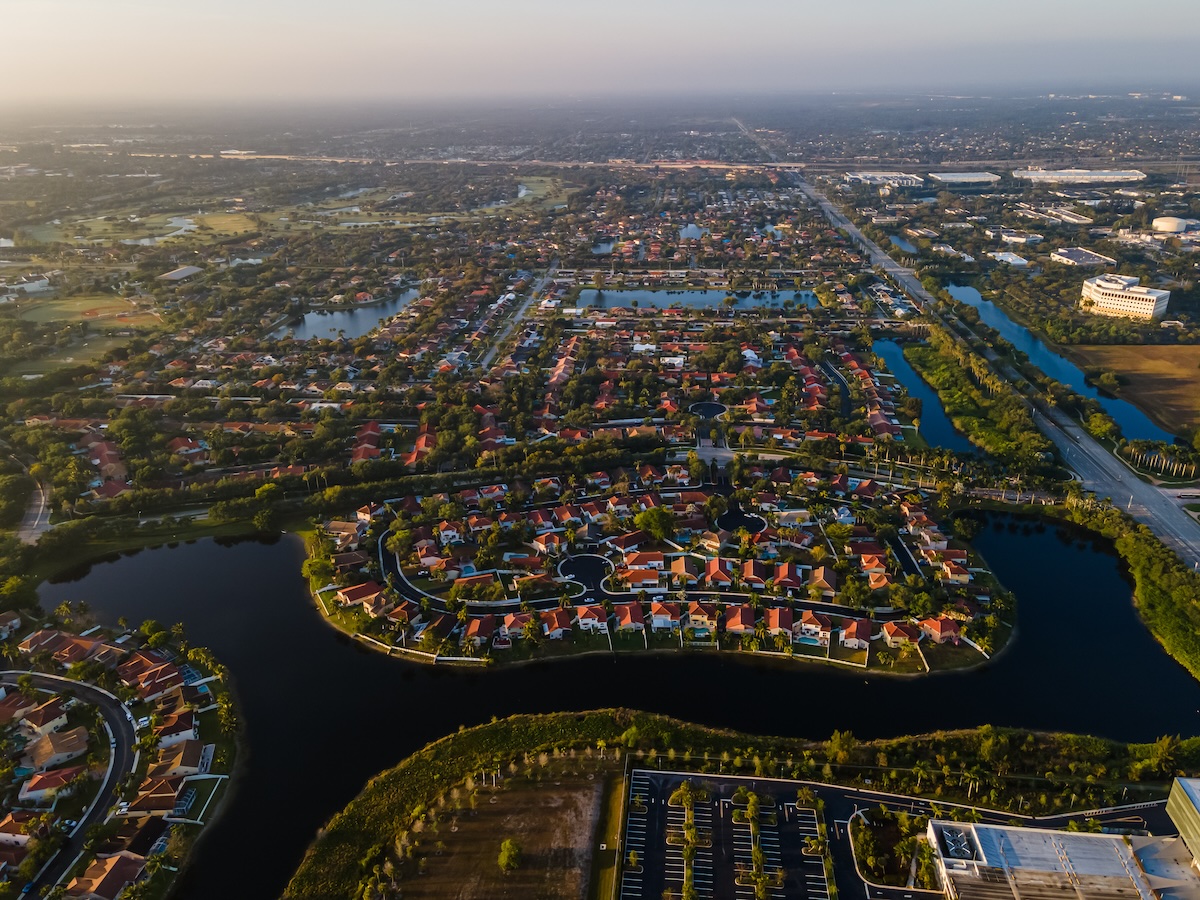
The region also offers warmth and humidity for much of the year. Unlike colder climates where insect activity drops sharply for long stretches, South Florida’s season can feel nearly continuous. Add dense neighborhoods, waterfront properties, pets, wildlife, and shaded landscaping, and mosquitoes have plenty of places to rest, feed, and reproduce.
Mosquitoes are not just attracted to water, however. They’re also highly responsive to body heat and carbon dioxide, which makes densely populated areas like South Florida especially attractive. After heavy rains (including tropical storms and hurricanes) even small pockets of standing water can support the full breeding cycle, from eggs to larvae to biting adults in a matter of days. While most bites are simply irritating, Florida’s climate also supports species capable of transmitting illnesses such as Zika, dengue, West Nile virus, and chikungunya. That risk is still relatively low for most residents, but it is one reason insect control here is a year-round issue.
Florida Mosquito Hotspots – Cities & Communities
- Miami (Miami-Dade County) – Dense urban population, coastal humidity, frequent rainfall, and countless small water-holding environments (from construction sites to backyard containers) make mosquito pressure constant.
- Coral Gables – Mature tree canopy, historic landscaping, and shaded yards create classic resting environments, while irrigation and older drainage patterns can contribute to standing water. Areas near the Coral Gables Waterway, Granada Golf Course, and older shaded streets can hold moisture long after a storm has passed.
- Coconut Grove – One of the most lush, shaded neighborhoods in Miami, with heavy vegetation and proximity to the bay—conditions mosquitoes thrive in. Around Dinner Key, the marinas, and the dense canopy west of South Bayshore Drive, flying pests have the shade, humidity, and waterfront conditions they favor.
- Cutler Bay – Proximity to Biscayne Bay, nearby wetlands, and canal systems creates consistent moisture and breeding conditions, especially after heavy rains or during still, humid weather. Being next to Black Point Marina, Biscayne National Park, and low-lying coastal areas makes mosquito pressure especially noticeable after rainy stretches.
- Doral – Rapid development, drainage challenges, and nearby wetlands can contribute to persistent breeding areas, especially after rain.
- Palmetto Bay – Close to Biscayne Bay and natural areas, with a mix of suburban landscaping and water features that support breeding cycles. Properties near Deering Estate, Biscayne Bay, and mangrove-adjacent areas often experience stronger mosquito pressure because of shade, moisture, and coastal habitat.
- Pinecrest – Larger residential lots, dense greenery, and extensive irrigation systems often lead to persistent mosquito pockets around homes. Near places like the Gardens and the town’s heavily-landscaped residential lots, thick vegetation can create cool, shaded resting areas for insects.
- Miami Beach – Barrier island conditions, high humidity, and dense development mean water collects in small, often overlooked places—ideal for container-breeding species like Aedes aegypti. From bay-facing streets to low-lying pockets around South Beach and Mid-Beach, even small amounts of trapped water can become a recurring issue.
- Homestead (Miami-Dade County) – More agricultural land, canals, and open water nearby increase flying insect populations, especially after rain. Areas near agricultural fields, drainage canals, Biscayne National Park, and the edge of Everglades habitat can see insect pressure rise quickly after heavy rain.
- Fort Lauderdale (Broward County) – Its canal system and waterfront homes create ideal breeding corridors. Neighborhoods along the Intracoastal, Las Olas Isles, Rio Vista, and the New River especially have the kind of waterfront density and shaded landscaping that mosquitoes love.
- Hollywood (Broward County) – Coastal wetlands and dense residential zones combine for steady insect activity.
- Pembroke Pines (Broward County) – Suburban landscaping, retention ponds, and nearby wetlands contribute to ongoing pressure.
- West Palm Beach (Palm Beach County) – Coastal humidity + inland water management systems = consistent mosquito presence. Areas near the Intracoastal Waterway, downtown drainage corridors, and neighborhoods bordering Clear Lake often see lingering moisture and mosquito activity after rain.
- Boca Raton (Palm Beach County) – Irrigation-heavy landscaping and dense greenery create shaded resting areas and micro-breeding zones.
- Delray Beach (Palm Beach County) – Mix of coastal exposure and lush residential areas supports year-round activity.
- Wellington (Palm Beach County) – Extensive canal systems, equestrian properties, and irrigation contribute to standing water and shaded areas where mosquitoes thrive.
- Jupiter (Palm Beach County) – Proximity to the Loxahatchee River, coastal wetlands, and mangroves creates ideal breeding conditions, especially during warm, still, humid periods.
- Key West (Monroe County) – Tropical climate, standing water sensitivity, and historic challenges with species like Aedes aegypti make mosquito control especially critical.
- Key Largo (Monroe County) – Surrounded by mangroves, wetlands, and protected natural areas, Key Largo has some of the most ideal breeding habitat in the region. The combination of brackish water, dense vegetation, and limited large-scale urban drainage infrastructure can lead to intense mosquito activity, especially after rains or during still, humid periods.
- Islamorada (Monroe County) – Surrounded by shallow water, mangroves, and tidal flats, with limited drainage and constant humidity, creating steady mosquito pressure throughout much of the year.
- Marathon (Monroe County) – Central Keys location with a mix of residential canals, wetlands, and standing water after rains, supporting persistent breeding and activity in calmer conditions.
More Than an Annoyance
For most people, mosquito bites are itchy and irritating. In Florida, however, mosquitoes are also monitored as a public health concern. The Florida Department of Health tracks mosquito-borne illnesses including West Nile virus, Eastern equine encephalitis, St. Louis encephalitis, dengue, chikungunya, Zika, and others.
That doesn’t mean every mosquito bite is dangerous, but it does mean prevention is important, especially for families with children, pregnant women, older adults, frequent entertainers, and anyone who spends significant time outdoors.
Where Mosquitoes Hide Around South Florida
Mosquitoes are often most active in the areas homeowners least expect. Common trouble spots include:
- Patio drains
- Planter saucers
- Bromeliads
- Gutters
- Pool toys
- Boat covers
- Outdoor kitchens
- Fountains,
- Low lawn areas
- Dense hedges
- Shaded side yards
- Poorly draining pavers
Even the most well-maintained residential and commercial properties can develop mosquito pressure because beautiful landscaping often includes shade, irrigation, and water features. The goal shouldn’t be to strip the property down, but to control flying pests intelligently.
How Mosquito Misting Systems Work in Florida
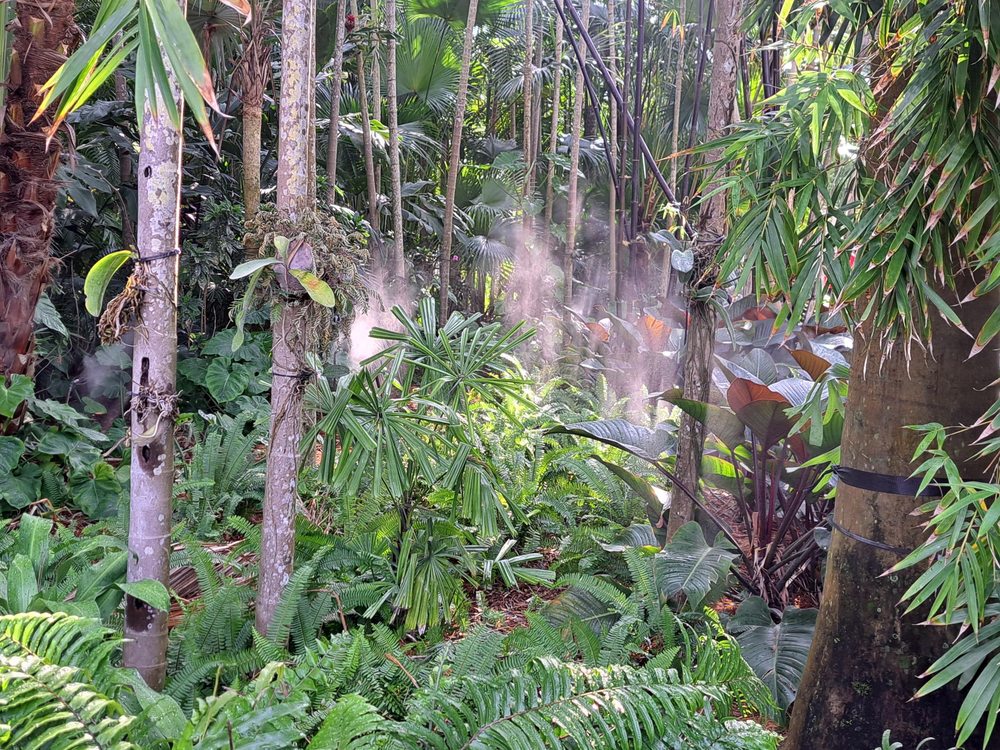
A professionally-installed mosquito misting system is designed to reduce flying pest activity around the areas where people actually live outdoors. Discreet nozzles are typically placed around landscaping, fences, patios, pergolas, pool areas, and other strategic zones. The system releases a fine mist on a scheduled basis, helping target adult mosquitoes where they rest.
For South Florida homeowners, the appeal is simple: less manual spraying, fewer interrupted evenings, and more comfortable use of outdoor spaces. A misting system works best as part of a broader plan that includes eliminating standing water, trimming dense vegetation, maintaining drainage, and monitoring problem areas after storms.
Why Professional Design is Important
Mosquito misting systems need to be custom designed. A waterfront estate in Fort Lauderdale, a shaded Coral Gables property, and a West Palm Beach home with tropical landscaping may all require different nozzle placement, timing, and service routines.
A professional evaluation should consider, among other variables:
- Property layout
- Prevailing breezes
- Shaded resting areas
- Irrigation patterns
- Drainage issues
- Plant density
- Outdoor living zones
- Nearby water sources
The best systems are effective without being visually intrusive. For many South Florida homeowners, that balance matters. A mosquito misting system should respect the design of the property as much as the comfort of the people using it, blending into the landscape while giving patios, pools, and entertaining spaces back their intended purpose.
A Smarter Way to Enjoy Outdoor Living
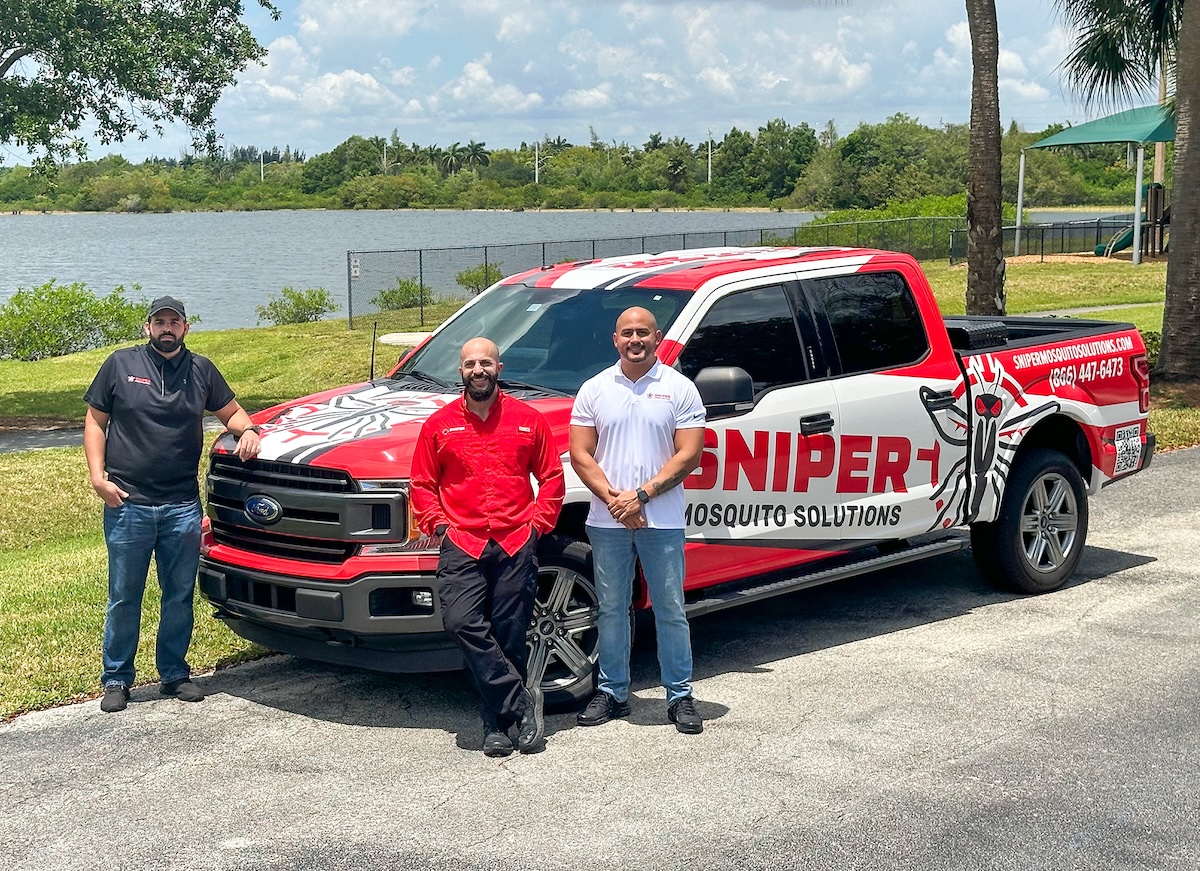
Mosquitoes and no-see-ums may be part of life in South Florida, but they do not have to define how you use your home. With consistent prevention, property-specific planning, and a professionally maintained mosquito misting system, homeowners can make their outdoor spaces feel more comfortable, polished, and usable throughout the year.
For homeowners in Miami, Fort Lauderdale, West Palm Beach, and nearby communities, Sniper Mosquito Solutions provides tailored mosquito control designed for South Florida properties, lifestyles, and landscapes.