
Mosquito misting system cost depends on the property, system design, nozzle count, equipment placement, installation complexity, and ongoing service needs. A small patio system is not priced the same way as a waterfront estate, restaurant terrace, HOA pool deck, or multi-zone commercial property. Sniper Mosquito Solutions provides automated mosquito misting system installation, maintenance, refills, and service takeover for South Florida homes and businesses, so the correct price starts with a property-specific evaluation rather than a flat online number. National cost guides can give a broad reference point, but South Florida properties often require custom planning because of heat, humidity, rainfall, dense landscaping, canals, coastal wind, and no-see-um pressure. The most accurate estimate accounts for both the initial installation and the ongoing service required to keep the system working properly.
What a Mosquito Misting System Costs
An automatic mosquito misting system should be treated as a custom outdoor service system, not a boxed product with one universal price. The cost includes more than the tank, pump, tubing, and nozzles; it also includes layout design, installation labor, programming, calibration, refill planning, maintenance access, and long-term service.
Online cost ranges usually describe general national averages, not a final quote for a specific South Florida property. Those ranges may be useful for early budgeting, but they cannot account for waterfront exposure, property shape, outdoor-use zones, nozzle placement, power access, system size, service frequency, or the condition of an existing system.
| Cost Category | What It Includes | Why It Varies |
|---|---|---|
| Initial system installation | Tank or reservoir, pump, controller, tubing, nozzles, fittings, routing, programming, and labor. | Property size, number of treatment zones, nozzle count, tubing route, access, and equipment location. |
| Maintenance and refills | Solution refills, nozzle checks, pump inspection, controller review, line inspection, and part replacement when needed. | System usage, tank size, programmed cycle frequency, local mosquito pressure, and property conditions. |
| Existing system service | Inspection, refill, repair, reprogramming, nozzle cleaning, tubing review, and possible component replacement. | Age of the system, previous maintenance history, worn parts, leaks, clogs, and current system layout. |
| Commercial or multi-zone design | Outdoor dining, HOA amenities, hotel areas, club patios, event areas, and larger treatment zones. | Operating hours, guest areas, traffic patterns, aesthetics, maintenance access, and system redundancy. |
The right cost question is not only “How much is a mosquito misting system?” The better question is “What system design will control the right areas, operate reliably, and remain serviceable over time?”
What Affects Automatic Mosquito Misting System Cost
The main cost drivers are the size of the area being treated, the number of nozzles required, the complexity of the tubing route, and the amount of ongoing service the system will need. Two properties with the same square footage can require different designs if one has dense landscaping, waterfront exposure, multiple patios, or a larger pool area.
| Pricing Factor | Why It Matters | What Sniper Evaluates |
|---|---|---|
| Outdoor area size | Larger treatment areas usually require more tubing, more nozzles, and more installation time. | Pool decks, patios, outdoor kitchens, side yards, walkways, docks, and seating areas. |
| Nozzle count | Nozzles determine how the mist reaches target zones. Too few nozzles can leave gaps; too many can waste product. | Nozzle spacing, direction, height, angle, exposure, and nearby surfaces. |
| Tank and pump location | The equipment needs power, service access, protection, and a practical route to the treatment areas. | Utility access, visibility, drainage, service clearance, distance to zones, and appearance. |
| Tubing route | Longer or more concealed routes may require more labor and material. | Fence lines, eaves, pergolas, planting beds, walls, pool areas, and structure edges. |
| Controller needs | Programming affects convenience, consistency, and how the system fits the property’s use patterns. | Scheduled operation, remote activation, event preparation, and service access. |
| Property complexity | Irregular layouts, multiple outdoor zones, and coastal exposure can require more design time. | Wind, shade, vegetation, canals, neighboring areas, guest zones, and outdoor-use patterns. |
| Maintenance requirements | The total cost of ownership includes refills, inspection, cleaning, and part replacement. | Tank capacity, usage frequency, nozzle condition, pump performance, and local insect pressure. |
A lower installation price can become more expensive over time if the system has poor nozzle placement, difficult service access, underbuilt components, or an unreliable maintenance plan. A good estimate should explain what is included, what areas are covered, and how the system will be serviced after installation.
Cost by Property Type
Property type affects cost because each outdoor environment has different coverage needs. A backyard patio, waterfront home, restaurant terrace, and HOA pool deck may all use the same basic system components, but they do not require the same layout.
| Property Type | Common Treatment Areas | Cost Considerations |
|---|---|---|
| Residential backyard | Patio, pool deck, outdoor kitchen, landscaping edges, and side yard. | Size of the outdoor-use area, nozzle count, tank placement, and maintenance frequency. |
| Waterfront home | Pool area, dock, patio, canal edge, vegetation, and outdoor seating. | Wind exposure, no-see-um pressure, salt air, dense planting, and property-edge coverage. |
| Restaurant or outdoor dining area | Dining patio, bar area, waiting area, perimeter planting, and service corridors. | Operating hours, guest comfort, discreet routing, maintenance windows, and zone control. |
| HOA or community amenity | Pool deck, clubhouse area, outdoor seating, walking paths, and shared landscaping. | Resident use patterns, board approval, service access, coverage consistency, and long-term maintenance. |
| Hotel, club, or hospitality property | Pool zones, cabanas, outdoor lounges, event areas, terraces, and perimeter landscaping. | Guest-facing appearance, multiple zones, high-use schedules, staff coordination, and reliability expectations. |
| Existing misting system | Current tank, pump, tubing, controller, fittings, and nozzles. | System condition, repair needs, refill status, worn parts, clogged nozzles, and service takeover requirements. |
This is why a mosquito misting system estimate should be built around how the property is actually used. The highest-priority areas are usually the places where people sit, eat, walk, entertain, work, or gather outside.
Installation Cost vs. Long-Term Ownership Cost
The initial installation is only one part of mosquito misting system cost. The long-term cost includes solution refills, regular maintenance, nozzle cleaning, worn-part replacement, pump checks, controller review, tubing inspection, and adjustments when the property changes.
Installation Cost
Installation cost is driven by design and labor. A technician must decide where the tank and pump should go, how tubing should be routed, where nozzles should be placed, how the controller should be programmed, and how the system should treat priority outdoor zones without creating unnecessary overspray.
Maintenance and Refill Cost
Maintenance and refill cost depends on system size, usage frequency, tank capacity, programmed cycles, local mosquito pressure, and the type of outdoor space being protected. A system that runs often or serves a larger property may require more frequent service than a smaller residential layout.
Repair and Service Takeover Cost
Existing mosquito mister systems may need inspection before a new service schedule begins. The technician may need to check clogged nozzles, weak pump pressure, damaged tubing, empty tanks, poor nozzle direction, worn fittings, outdated controller settings, or incomplete coverage.
Long-term ownership works best when installation and service are planned together. A system with clean routing, accessible equipment, and properly placed nozzles is easier to maintain and more reliable over time.
Should You Buy a Mosquito Misting System for Sale or Use Professional Installation?
A mosquito misting system for sale may look less expensive upfront, but a professional system includes design, placement, programming, service planning, and long-term support. The difference matters because performance depends on where the system sprays, how it is calibrated, and whether it is maintained correctly.
| Option | Best Fit | Limitations |
|---|---|---|
| DIY or boxed system | Smaller properties where the owner wants to handle setup, routing, refills, and troubleshooting. | Requires layout decisions, product handling, maintenance, repairs, and responsibility for performance issues. |
| Professionally installed system | Homes and businesses that want custom coverage, discreet installation, programming, and service support. | Higher upfront investment than basic product-only options. |
| Existing system service takeover | Properties that already have misting equipment and need a new provider for inspection, refills, or maintenance. | May require repair or correction before routine service can begin. |
For South Florida properties with pool areas, outdoor kitchens, restaurants, HOA amenities, waterfront exposure, or heavy no-see-um pressure, professional design usually matters more than the product price alone. The system needs to match the property, not just the shopping cart.
South Florida Conditions That Can Change the Price
South Florida conditions can affect mosquito misting system cost because properties often face year-round outdoor use, recurring rainfall, dense vegetation, canals, coastal airflow, high humidity, and no-see-um activity. These conditions influence system layout, nozzle placement, service frequency, and maintenance planning.
- Rainfall and standing water: Water-holding containers, drains, planters, gutters, and low spots can increase mosquito pressure.
- Dense landscaping: Shaded, humid plantings may require targeted coverage around resting areas.
- Pool decks and patios: High-use outdoor areas usually receive priority in the layout.
- Waterfront exposure: Canals, docks, lakes, mangroves, and coastal areas can increase incoming insect pressure.
- Wind and salt air: Coastal conditions can affect nozzle direction, equipment placement, and long-term durability.
- No-see-ums: Tiny biting insects may require more careful planning around seating areas, damp zones, and property edges.
- Commercial use: Restaurants, clubs, hotels, and HOAs may need scheduling, zoning, and maintenance access built into the system plan.
Sniper serves South Florida mosquito misting service areas including Miami-Dade, Broward, Palm Beach, and Monroe counties. A property in Miami, Fort Lauderdale, West Palm Beach, Boca Raton, Key Largo, or the Florida Keys may need different design decisions based on site conditions.
What Should Be Included in a Mosquito Misting System Estimate
A useful estimate should explain the system design, the covered areas, the equipment plan, the service expectations, and the maintenance requirements. A vague quote makes it difficult to compare providers because one system may include more nozzles, better routing, stronger service access, or a more complete maintenance plan.
- Property evaluation: The estimate should reflect the actual outdoor spaces being treated.
- Nozzle plan: The quote should explain the number of nozzles and the areas they are intended to cover.
- Equipment location: Tank, pump, controller, and power access should be planned before installation.
- Tubing route: The route should balance appearance, performance, durability, and service access.
- Programming: The estimate should address scheduled misting, remote activation, or manual use when relevant.
- Maintenance plan: Refills, inspections, nozzle cleaning, part replacement, and service frequency should be clear.
- Existing system review: Service takeover should include inspection before routine service begins.
- Warranty and service terms: Current parts, labor, and service coverage should be confirmed in writing.
Property owners comparing quotes should ask what is included rather than comparing only the lowest number. A low quote may leave out coverage zones, future maintenance, repair needs, or service details that affect the total cost of ownership.
Safety, Product Use, and Responsible Operation
Cost should not be separated from safety, calibration, and responsible product use. A mosquito misting system must be installed, programmed, and maintained so it treats the intended outdoor areas while limiting unnecessary exposure to people, pets, water features, food-contact areas, and neighboring spaces.
Responsible operation includes:
- Proper product use: Products should be used only according to applicable label directions.
- Correct nozzle direction: Nozzles should target intended treatment areas, not dining surfaces, toys, pet bowls, pools, ponds, or neighboring areas.
- Appropriate programming: Misting schedules should account for how the property is used.
- Routine inspection: Leaks, clogs, worn parts, poor pressure, and damaged tubing should be corrected.
- Standing-water control: Removing or treating breeding sources remains part of mosquito management.
No pest-control system should be evaluated only by upfront price. A better system is one that is designed for the property, maintained on schedule, and operated with clear attention to performance and exposure control.
How to Compare Mosquito Misting System Quotes
The best way to compare quotes is to compare scope, not just price. Two estimates can look similar while covering different areas, using different nozzle counts, offering different service plans, or excluding maintenance details.
| Question to Ask | Why It Matters |
|---|---|
| Which outdoor areas are included? | The quote should identify the actual treatment zones, not just the general yard. |
| How many nozzles are included? | Nozzle count affects coverage, installation cost, and long-term system performance. |
| Where will the tank, pump, and controller go? | Equipment location affects access, appearance, routing, and future service. |
| How will the system be programmed? | Programming affects convenience, product use, and how the system fits the property’s schedule. |
| What maintenance is included? | Refills, inspections, cleaning, and repairs affect long-term cost. |
| Can the company service an existing system? | Takeover work may require repair, reprogramming, or nozzle correction before routine service begins. |
| What warranty or guarantee applies? | Coverage terms affect value and should be confirmed before installation. |
A strong estimate should make the system understandable before installation begins. The property owner should know what is being installed, where it will go, what areas it will treat, and how service will work after the system is running.
Related Service Topics
Cost is only one part of the buying decision. The related topics below help property owners understand installation, maintenance, property fit, and service expectations before choosing a mosquito misting system.
Mosquito Misting System Installation
Installation covers the design and setup of the tank, pump, tubing, nozzles, controller, and programmed misting cycles. A dedicated installation page should explain property evaluation, nozzle placement, equipment location, system programming, and the difference between a custom layout and a generic perimeter setup.
Mosquito Misting System Maintenance and Refills
Maintenance and refills affect the long-term cost and reliability of the system. This topic should explain how service keeps the system working through refill scheduling, nozzle cleaning, pump checks, controller review, tubing inspection, and worn-part replacement.
Residential Mosquito Misting Systems
Residential systems are designed for backyards, pool decks, patios, outdoor kitchens, landscaped areas, and waterfront homes. This topic should explain how homeowners can evaluate coverage needs, outdoor-use areas, aesthetics, service access, and recurring mosquito or no-see-um pressure.
Commercial Mosquito Misting Systems
Commercial systems are designed for restaurants, HOAs, hotels, clubs, event spaces, and guest-facing outdoor areas. This topic should explain operating-hour scheduling, guest comfort, multi-zone coverage, maintenance access, and the difference between residential and commercial service needs.
Common Questions
The answers below address the cost questions property owners and managers usually ask before installing, servicing, or taking over an automatic mosquito misting system.
How much does a mosquito misting system cost?
Mosquito misting system cost depends on property size, nozzle count, tank and pump location, tubing route, controller needs, installation complexity, and maintenance requirements. National online ranges can help with early budgeting, but Sniper provides property-specific estimates because each South Florida system is custom designed for the outdoor space.
What affects automatic mosquito misting system cost the most?
The biggest cost factors are the number of nozzles, the size of the outdoor area, the complexity of the tubing route, and the amount of maintenance the system will need. Waterfront exposure, dense landscaping, multiple patios, commercial use, and existing system repairs can also affect the final estimate.
Is a professional mosquito misting system more expensive than a DIY system?
A professional system usually costs more upfront than a basic DIY or boxed system because it includes property evaluation, custom layout, installation, programming, and service planning. The added value comes from correct nozzle placement, cleaner routing, maintenance support, and a system designed around the property rather than a generic kit.
How much does mosquito misting system maintenance cost?
Maintenance cost depends on system size, tank capacity, usage frequency, refill needs, nozzle condition, pump performance, and local mosquito pressure. Service may include refills, nozzle cleaning, tubing inspection, controller review, worn-part replacement, and pressure checks. A larger or more frequently used system usually needs more service.
Can Sniper service an existing mosquito misting system?
Sniper can evaluate existing mosquito misting systems and determine what they need for ongoing service. A takeover inspection may review the tank, pump, controller, tubing, fittings, nozzle output, current refill status, programming, leaks, clogs, and worn parts before the system is placed on a maintenance schedule.
Why does Sniper need to evaluate the property before giving a final price?
A property evaluation is needed because mosquito misting systems are custom outdoor installations. The final price depends on the areas being treated, nozzle count, equipment location, tubing route, maintenance needs, property conditions, and whether the system is new or already installed. A flat price would not reflect those variables accurately.
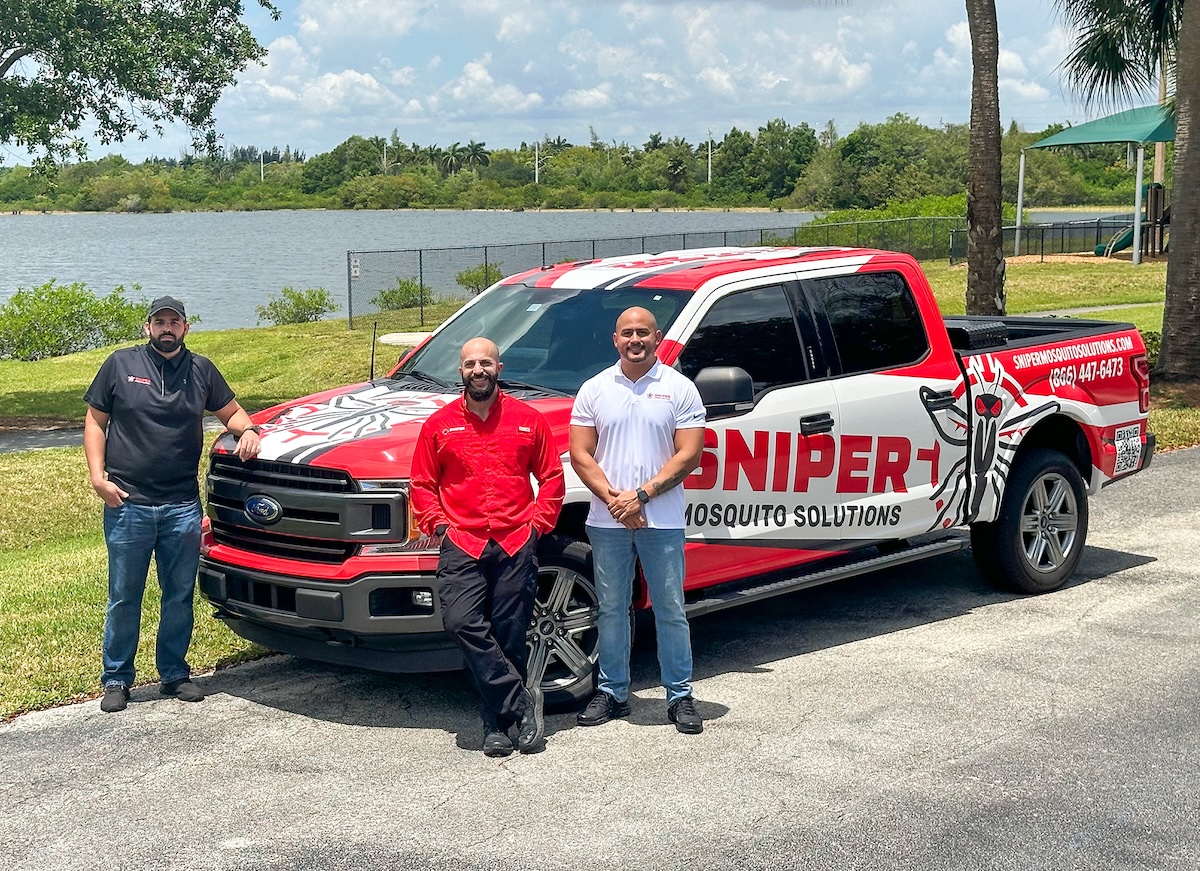
Mosquito misting system cost in South Florida depends on design, installation, equipment, nozzle count, property conditions, and ongoing service. The lowest upfront price is not always the best value if the system misses key outdoor areas, is difficult to maintain, or lacks a clear refill plan. Sniper Mosquito Solutions installs, services, refills, and takes over automated mosquito misting systems for residential and commercial properties across South Florida. A property-specific estimate is the right way to price a system because every outdoor space has different coverage needs. Contact us to get started.