
If you have stepped onto the patio at dusk lately, hoping to unwind outdoors, only to be driven back inside before you could settle in, you are not imagining it. Late summer is one of the worst stretches of the entire South Florida mosquito season, and the timing is no accident. Warm nights, near-daily downpours, and a fresh puddle behind every planter and palm give mosquitoes exactly what they need to multiply fast. (For a deeper look at this rain-to-swarm cycle and how to break it, see our guide on why mosquitoes are worse after it rains in South Florida and learn what you can do about it.)
Here is why mosquito activity peaks this time of year across Miami-Dade, Broward, Palm Beach, and the Keys, plus what homeowners and businesses can do to take back their outdoor space and shrink the mosquito and no-see-um populations around their property.
What Month Is the Peak of Florida Mosquito Season?
July through September tends to be the peak of South Florida mosquito season, though the reality here is that they never fully leave. Statewide, mosquitoes are usually at their worst from June through October. During these months, frequent afternoon thunderstorms, high humidity, and intense heat stack up to create close to ideal breeding conditions, and populations can climb quickly.
That said, if you are reading this in October, November, or even deeper into the cooler months, do not assume the worst time of the year for mosquitoes in Florida is completely behind us. Our Atlantic hurricane season runs through the very end of November, and the heavy rains a tropical system brings can refill breeding sites long after the daily afternoon thunderstorms taper off. One wet autumn stretch can send populations climbing all over again.
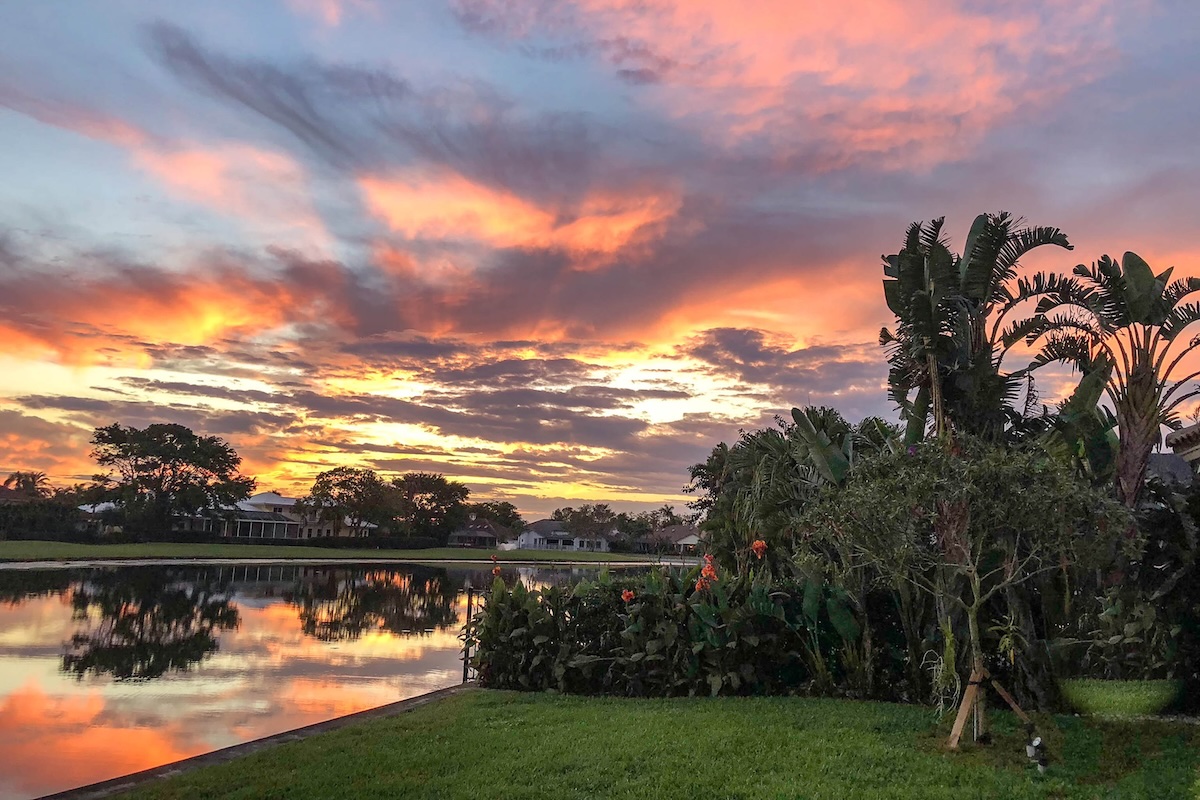
Two ingredients have to line up for mosquitoes to thrive: warmth and water. In the heart of summer, especially July, August, and September, the Sunshine State delivers both almost daily. The heat speeds up their life cycle, while the rainy season keeps refilling every puddle, plant saucer, and clogged gutter on your property. More heat plus more standing water usually means more mosquitoes, and multiple generations can hatch over a single summer.
That said, even as the year winds down, the region’s subtropical warmth rarely gets cold enough to shut mosquitoes off the way a hard winter does farther north. Activity tends to ease, yet across Miami-Dade, Broward, Palm Beach, and the Keys they often keep biting through the fall and into winter, and eggs sitting in dry soil can hatch within days whenever rain and warmth return.
Why Do Mosquitoes Get Worse After It Rains?
Every mosquito starts life in water. Female mosquitoes lay their eggs in or near standing water, and even a shallow film is often enough. After a heavy South Florida downpour, fresh water collects in gutters, low spots, storm drains, pool covers, and containers all over the yard, which gives waiting eggs the trigger they need to hatch.
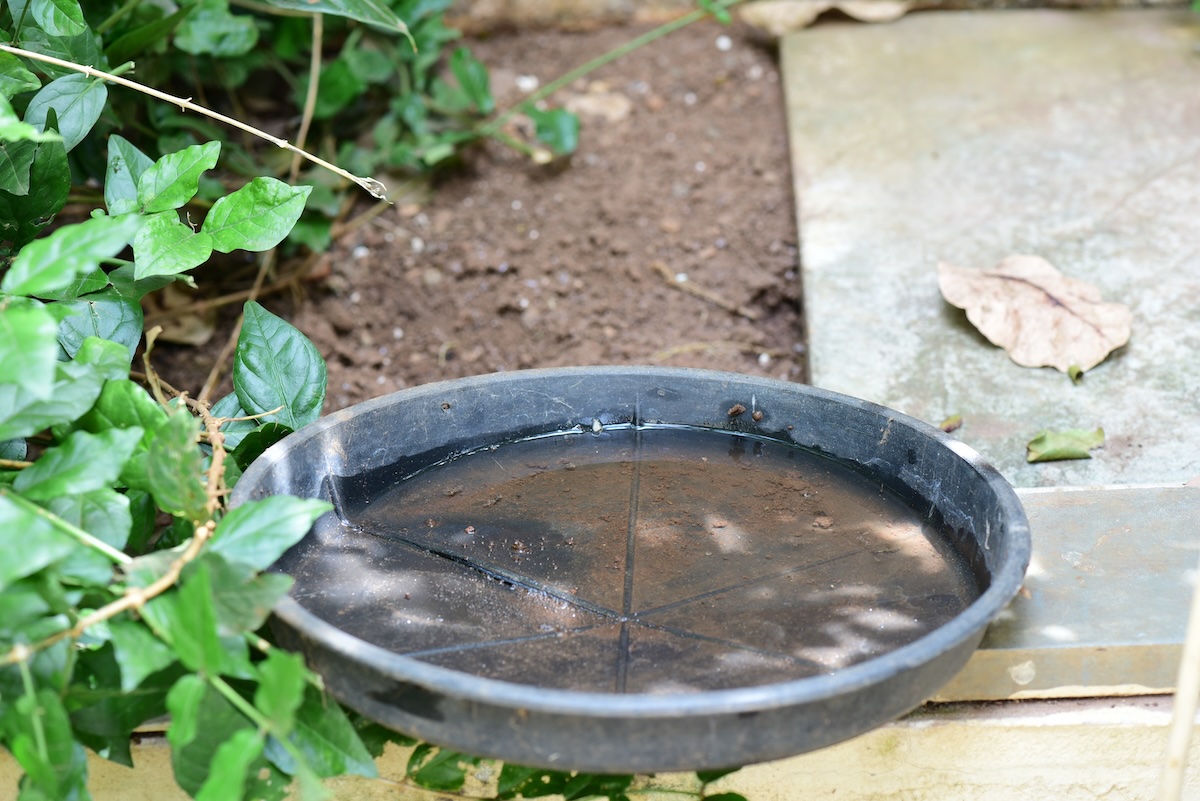
The speed is what catches many Floridians off guard. In summer heat, mosquito eggs can hatch within a day or two of rain, and many species can develop from egg to biting adult in as little as about seven days under ideal conditions. That is why a yard can feel calm one week and overrun a few days after a big storm.
It often does not take much water, either. Container-breeding species like Aedes aegypti, the yellow fever mosquito common in South Florida neighborhoods, can breed in something as small as a bottle cap. Other frequent local culprits include the Asian tiger mosquito (Aedes albopictus) and the southern house mosquito (Culex quinquefasciatus). Each has slightly different habits, but all of them share the same weakness: no standing water, no next generation.
Why South Florida Has It Worst
Florida’s tropical and subtropical climate makes its mosquito season notoriously long, and South Florida arguably has it the hardest of any region in the state, hence all the buzz—no pun intended—about these flying insects being “so bad in Florida right now.” In Miami-Dade, Broward, Palm Beach, and the Keys (Monroe County), winters are so mild that temperatures rarely get cold enough to shut mosquitoes down. Populations do dip a bit in the cooler months, but they do not truly disappear the way they can farther north.
That long runway, combined with a rainy season that typically stretches from around June into October, is a big part of why mosquito prevention in South Florida is hardest, and most important, during the summer.
What Time of Day Are Mosquitoes Most Active?
Most of the biting mosquitoes people notice are at their most active around dawn and dusk, when the air is warm and humid and the sun is not beating directly down on them. During the hottest, brightest part of the day, many species retreat to shaded, damp resting spots in dense landscaping.
If you want to lower your odds of getting bitten, it can help to schedule outdoor activities toward the middle of the day and to be extra cautious in the early morning and evening. Keep in mind that some day-active species will still bite in shade, so this is a way to reduce exposure rather than eliminate it.
How to Reduce Mosquitoes Around Your Yard

The single most effective thing most homeowners and businesses can do is remove standing water, because that is where the next generation is being built. Walk your property after it rains, ideally within a day or two, and empty or clear anything holding water.
Common standing-water hot spots to check:
- Clogged rain gutters and downspouts
- Flower pots, plant saucers, and bromeliads (their leaf pockets hold water and can breed mosquitoes)
- Birdbaths, pet bowls, and fountains that sit still
- Pool covers, tarps, and boat or grill covers that pool water
- Buckets, wheelbarrows, kids’ toys, and trash can lids
- Old tires, clogged drains, and low spots that stay soggy
- AC condensate drip areas and irrigation over-spray
A few more habits can help keep numbers down:
- Refresh water weekly. For features you want to keep, like birdbaths or pet bowls, change the water at least once a week so larvae never finish developing.
- Keep landscaping trimmed. Cutting back overgrown shrubs and tall grass removes the shady, humid daytime resting spots adult mosquitoes favor.
- Screen and seal. Repair torn window and door screens so mosquitoes active at dawn and dusk have fewer ways indoors.
- Use repellent. An EPA-registered repellent and long sleeves can reduce bites during peak hours.
Businesses face a few extra challenges, since retention ponds, dumpster enclosures, dense commercial landscaping, and outdoor dining areas can all hold water or shelter adults. Regular property walk-throughs and a professional treatment program can make a meaningful difference for customer comfort during peak season.
For localized tracking, you can check the Florida Department of Health for mosquito-borne illness advisories and activity updates in your county.
How Automatic Mosquito Misting Systems Work
When standing-water cleanup and occasional sprays are not keeping up, many South Florida homeowners turn to automatic mosquito misting systems for steadier, hands-off control. These systems are designed to knock down adult mosquitoes on a schedule so your yard stays more comfortable through peak season.
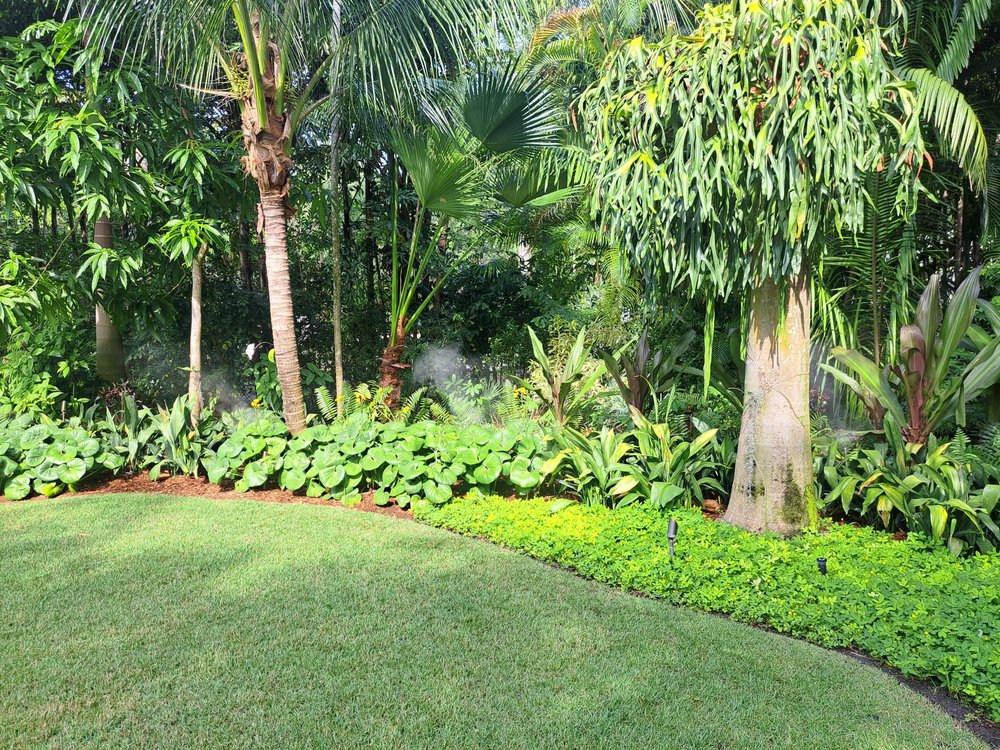
A typical system has four main parts working together:
- Reservoir or tank: holds the insecticide concentrate, often mixed with water, and is usually kept in a garage, shed, or other protected spot.
- Pump and motor: pressurize the solution and push it through the lines.
- Tubing: thin, discreet lines that run along eaves, fence lines, and through landscaping to form a perimeter around the area you want to protect.
- Nozzles: spaced roughly 10 to 15 feet apart along the tubing, releasing a fine mist. A timer or controller sets when they fire.
Most systems are programmed to run brief cycles, often only 30 to 60 seconds, at the times mosquitoes are most active, typically dawn and dusk. The fine mist contacts adult mosquitoes in the air and on the shaded surfaces where they rest. The insecticides used are commonly pyrethrins or permethrin, compounds related to a natural extract from chrysanthemum flowers, and some formulas include piperonyl butoxide to boost their effect. Many systems can also be triggered manually with a remote for a one-time burst before a backyard gathering.
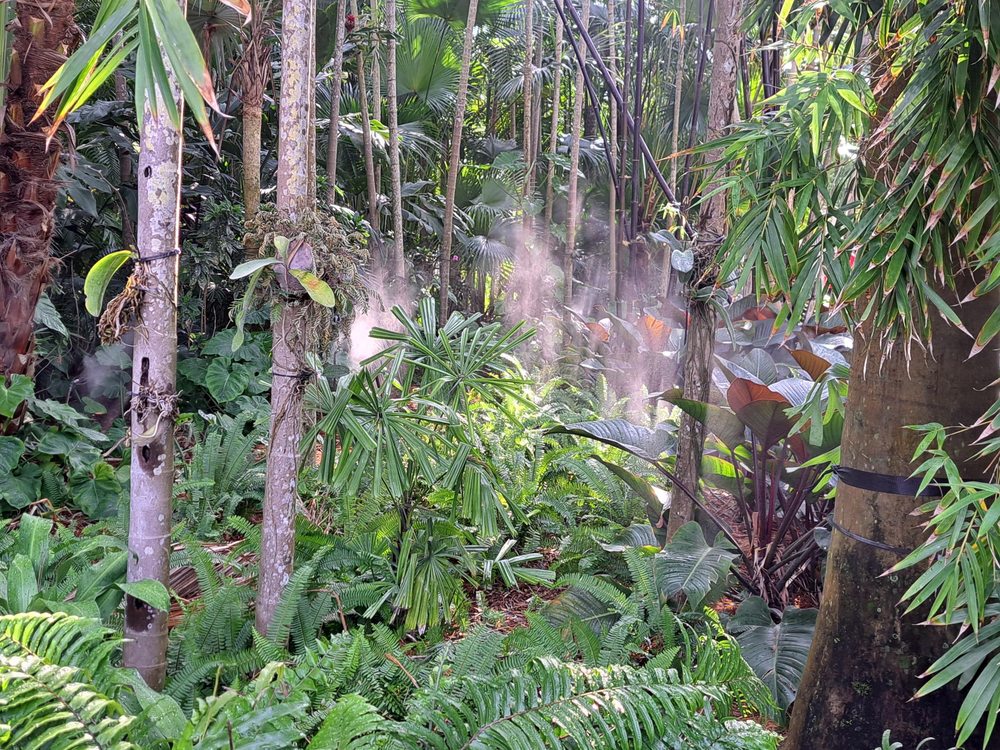
Used correctly, a misting system can steadily reduce the adult mosquito population in a treated yard and often helps with other nuisance insects like no-see-ums, gnats, and flies. It works best as one layer of a broader plan that still includes removing standing water, since misting targets adults rather than the larvae developing in water. Maintenance is usually light: refill the reservoir as needed and have the nozzles and tubing inspected a few times a year.
Frequently Asked Questions (FAQ)
Why are the mosquitoes worse after it rains in Florida?
Rain leaves behind standing water in gutters, containers, and low spots, which is exactly where mosquitoes lay eggs. In summer heat, those eggs can hatch within a day or two, so a swarm often shows up a few days after a storm.
What months are the worst for mosquitoes in South Florida?
June through September is generally the worst stretch, with July through September often the peak. The combination of heat and near-daily rain drives populations to their annual high during these months.
What time of day do mosquitoes bite the most?
Many biting species are most active at dawn and dusk. Scheduling outdoor time toward the middle of the day can reduce exposure, though some species will still bite in shade.
Do automated mosquito misting systems actually work?
A properly installed and maintained misting system can meaningfully lower the adult mosquito population in a treated yard. It works best alongside standing-water removal, since misting targets adult mosquitoes rather than larvae in water.
How fast do mosquitoes breed in Florida?
Under ideal summer conditions, some species can develop from egg to biting adult in about seven days, and eggs can hatch within 24 to 48 hours of rain. That short cycle is why populations rebuild so quickly.
Get Ahead of Mosquitoes
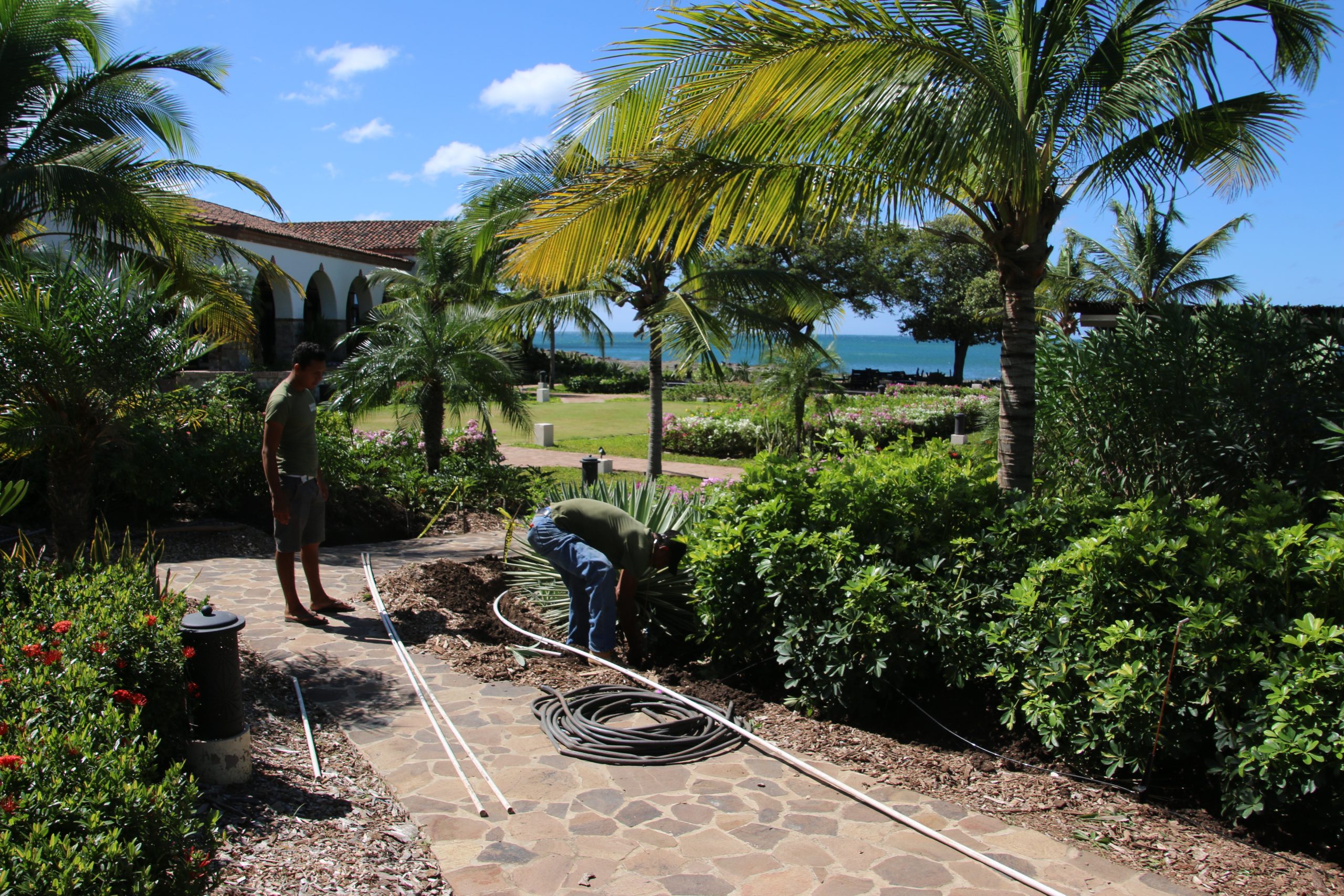
South Florida’s long, wet summers give mosquitoes a serious head start, and the lush, mature landscaping that makes a property beautiful often hands them even more places to rest and breed. You should not have to trade an evening by the pool or a dinner outdoors with guests because of it. Clearing standing water after every rain, keeping plantings tidy, and timing your time outside around dawn and dusk all help. For grounds that call for steadier, hands-off protection, a discreet automatic misting system can work quietly in the background all year long, with its lines tucked into the landscaping and out of view. If mosquitoes are keeping you inside this season, reach out to Sniper Mosquito Solutions and we can tailor a plan to your property.